
What is VPS and Dedicated Hosting
VPS and Dedicated Hosting – VPS (Virtual Private Server) hosting involves the virtualization of a physical server into multiple independent virtual servers, each with its own allocated resources. This option strikes a balance between cost and performance, making it suitable for small to medium-sized websites and applications, offering increased control and scalability compared to shared hosting. In contrast, dedicated hosting provides exclusive access to an entire physical server for a single user or organization. This higher-cost solution ensures maximum performance, reliability, and customization, making it ideal for large websites, high-traffic applications, and enterprises with specific hosting needs, offering unparalleled control and isolation.
What is VPS Hosting?
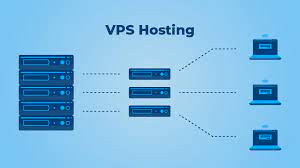
VPS, which stands for Virtual Private Server, is a type of web hosting that combines elements of both shared hosting and dedicated hosting. In VPS hosting, a physical server is divided into multiple virtual servers through a process called virtualization. Each virtual server operates as an independent unit with its own dedicated resources, operating system, and server software.
Table of Contents
What is Dedicated Hosting?
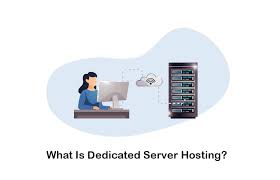
Dedicated hosting is a type of web hosting in which an entire physical server is exclusively leased to a single user or organization. Unlike shared hosting or virtual private server (VPS) hosting, where multiple users share server resources, a dedicated hosting plan provides the user with full control over the entire server. This hosting option is well-suited for websites, applications, or businesses with high traffic, resource-intensive requirements, or specific customization needs.
What are the uses of VPS and Dedicated Hosting

VPS Hosting:
- Web Hosting:
- VPS hosting is commonly used for hosting websites, including personal blogs, small business websites, and other online platforms. It provides a cost-effective solution with more control and resources than shared hosting.
- Development and Testing:
- Developers use VPS environments for creating isolated spaces to develop and test applications. It allows them to experiment with configurations without affecting a live production environment.
- Scalable Hosting:
- VPS is suitable for scalable hosting, making it a flexible choice for growing websites and applications. Users can easily upgrade or downgrade resources based on their evolving needs.
- Web Applications:
- Running web applications with moderate traffic and resource requirements. VPS offers dedicated resources, ensuring more consistent performance compared to shared hosting.
- Reseller Hosting:
- VPS hosting can be subdivided into smaller resellable plans, making it a popular choice for individuals or businesses looking to offer hosting services to others.
- VPN Services:
- Setting up Virtual Private Network (VPN) services on a VPS allows users to establish secure and private internet connections, making it useful for businesses or individuals with privacy and security concerns.
Dedicated Hosting:
- High-Traffic Websites:
- Dedicated hosting is ideal for hosting large websites with high traffic, ensuring optimal performance and reliability due to exclusive access to the entire server’s resources.
- Enterprise-Level Applications:
- Running enterprise-level applications, such as customer relationship management (CRM) systems and business intelligence applications, where consistent high performance is critical.
- Resource-Intensive Applications:
- Hosting applications with heavy computational or database loads that require exclusive access to the server’s resources for optimal efficiency.
- E-commerce Platforms with High Transactions:
- Dedicated hosting is commonly used for e-commerce platforms with extensive product catalogs and high transaction volumes, ensuring a seamless shopping experience for users.
- Media Streaming:
- Dedicated hosting is suitable for hosting media streaming services for audio or video content, where high bandwidth and server resources are crucial for delivering a smooth streaming experience.
- Backup and Disaster Recovery:
- Organizations use dedicated hosting for robust backup and disaster recovery solutions, providing a secure and dedicated environment for critical data storage and recovery processes.
The Most Common Difference between VPS and Dedicated Hosting

| Feature | VPS Hosting | Dedicated Hosting |
|---|---|---|
| Resource Allocation | Shared resources among multiple virtual servers on a physical machine. | Exclusive access to all resources of a physical server. |
| Server Isolation | Some isolation between VPS instances on the same server. | Complete isolation from other users; dedicated server operates independently. |
| Performance | Performance influenced by overall load and activities of other VPS instances. | Higher performance and reliability due to exclusive access to resources. |
| Scalability | Scalable with the ability to upgrade or downgrade resources based on needs. | Scalability may involve hardware changes or adding more servers. |
| Cost | Generally more cost-effective than dedicated hosting. | More expensive due to exclusive access to entire server resources. |
| Use Cases | Small to medium-sized websites, blogs, applications. | Large websites, high-traffic applications, enterprises with specific requirements. |
| Control | More control than shared hosting, but not as much as dedicated hosting. | Full control over the entire server; users can configure as needed. |
These are the most common difference of VPS and Dedicated Hosting
Final thoughts on VPS and dedicated hosting
In conclusion, the choice between VPS and dedicated hosting depends on your unique needs, budget, and technical requirements. Here are some final thoughts on each:
VPS Hosting:
- Balanced Solution:
- VPS provides a balanced solution for users who need more control and resources than shared hosting but may not require the full capacity of a dedicated server.
- Cost-Effective:
- It is generally more cost-effective than dedicated hosting, making it an accessible option for a wide range of users, including small businesses and growing websites.
- Scalability:
- VPS is scalable, allowing you to easily adjust resources based on your evolving needs. This flexibility is beneficial for dynamic projects and growing applications.
- Moderate Traffic Applications:
- Well-suited for websites, blogs, and applications with moderate to high traffic that can benefit from dedicated resources without the higher costs of a dedicated server.
- Control and Customization:
- Offers a good level of control and customization, making it suitable for users who want more flexibility in configuring their hosting environment.
Dedicated Hosting:
- High Performance and Reliability:
- Dedicated hosting provides unparalleled performance and reliability due to exclusive access to all server resources. It is ideal for resource-intensive applications and high-traffic websites.
- Mission-Critical Applications:
- Suited for mission-critical applications where performance consistency, security, and reliability are paramount. Large e-commerce platforms and enterprise-level applications often benefit from dedicated hosting.
- Customization and Control:
- Allows for extensive customization of hardware configurations, making it suitable for users with specific hardware requirements or unique server setups.
- Data Security and Compliance:
- Offers a higher level of data security and compliance, providing complete control over security measures and configurations.
- Managed Hosting Services:
- Managed dedicated hosting services are available for users who prefer to delegate routine server management tasks to the hosting provider, offering convenience and support.
 uladminuser